Quick Links
A successful project starts long before production begins, beginning with rigorous design iterations in order to understand not only how a part could look, but how it will perform during production.
Complex assemblies, unnecessary parts and poor material selection can all increase lead times, add cost and create avoidable problems during fabrication. However, a process referred to as DFM, Design for Manufacturing, can help combat these issues.

What is Design for Manufacturing (DFM)?
DFM is the process of designing parts and products so they are easier, faster and more cost-effective to manufacture. By applying DFM principles at the design stage, manufacturers can improve downstream efficiency, reduce waste and achieve more consistent results.
Why Is Design for Manufacturing (DFM) Important?
Many of the costs associated with manufacturing are decided during the design phase. The geometry of a component, the number of parts in an assembly and the chosen manufacturing process all influence how easy each part will be to profile. Overly complex designs can lead to labour and time-intensive issues, such as:
- Longer production times
- Higher labour costs
- Increased material waste
- Additional machining and finishing
- Greater risk of errors during assembly

Streamlining the Design
One of the most important DFM principles is to keep designs as simple as possible. Complicated parts often require more machining, extra handling, and generally take longer to produce. Simplifying the geometry can reduce manufacturing stages and improve overall efficiency.
- Reduce the number of individual components
- Remove unnecessary cut-outs or features
- Avoid excessively tight tolerances
- Design larger, easier-to-produce holes and slots
Where possible, several parts can be combined into a single component. For example, a folded metal sheet may replace several separate pieces that would otherwise require welding.
Designing Parts for Assembly Efficiency
Cutting parts is only one aspect of manufacturing, with many projects requiring components to fit together quickly and accurately during assembly. Poorly designed parts can create delays if they are difficult to align or cannot hold in position.
Designing for efficient assembly can reduce labour time and improve consistency, and one of the best ways to achieve this is through self-jigging features. Self-jigging designs help components locate themselves during fabrication through features such as slots, tabs, and locating holes that guide parts into the correct position, without relying on manual adjustment.
- Slot and tab connections
- Interlocking folds
- Pre-cut locating holes
- Notches and alignment features

Selecting Suitable Materials
Material choice has a major impact on manufacturing efficiency. While a material may offer excellent performance, if it is difficult to cut, form or source, it can increase both cost and lead time. When selecting materials, it is important to consider:
- Availability
- Cost
- Strength and durability
- Ease of cutting and forming
- Suitability for the finished product
Using standard material grades and sheet sizes can help to simplify production and reduce waste. Standardisation also makes it easier to source materials quickly and keep costs under control.
Designing Around the Manufacturing Process
All manufacturing processes have their own strengths and limitations. Designing a component without considering how it will be produced can result in unnecessary cost and complexity.
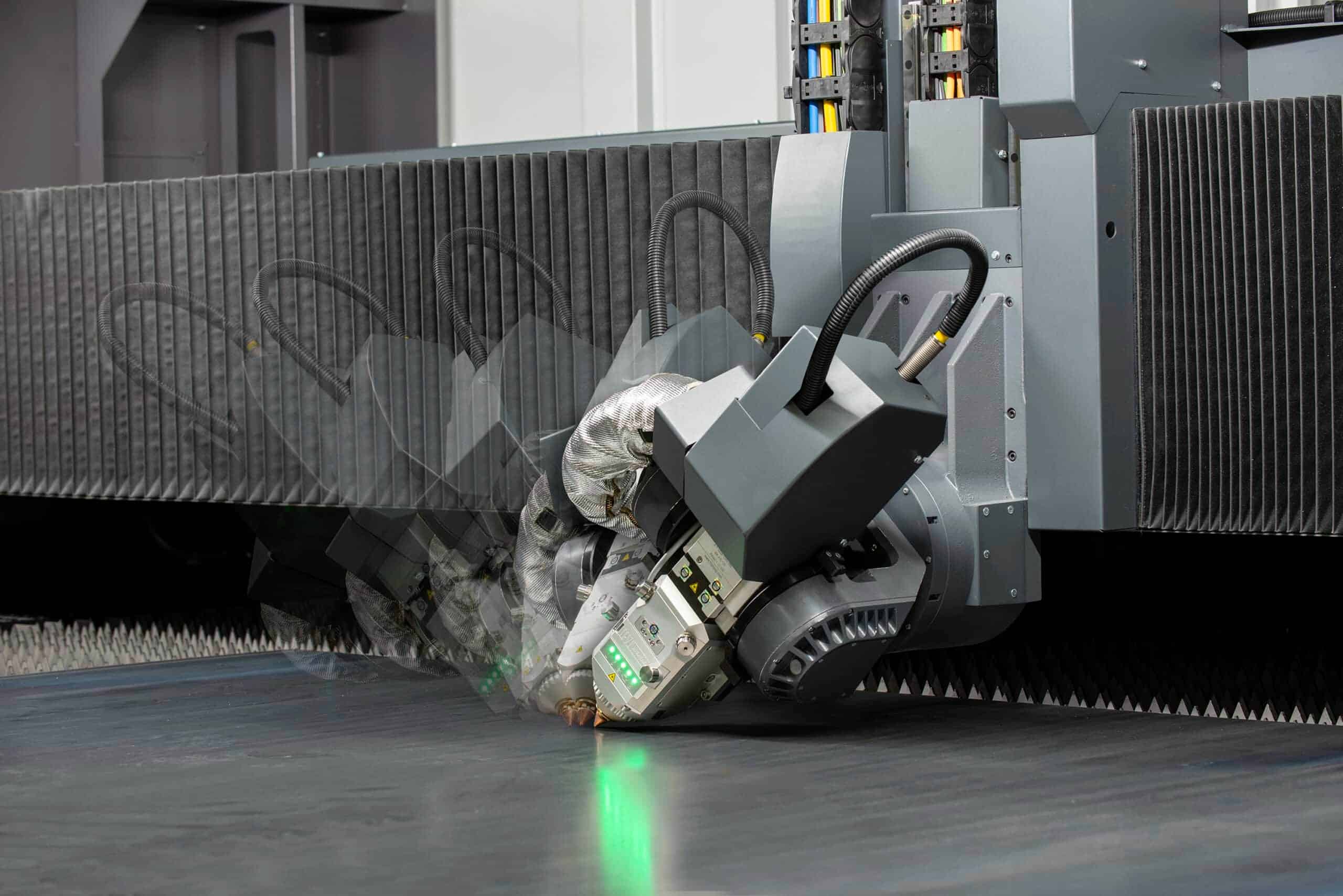
For sheet metal parts, laser cutting offers a highly accurate and efficient production method, particularly well suited to intricate shapes, repeatable components and tight tolerances across various geometries. Designs that take advantage of laser cutting can often reduce the number of manufacturing stages required and enhance final quality. Features that can be incorporated during laser cutting include:
- Holes and slots
- Cut-outs and profiles
- Bevels and chamfers
- Weld preparation parts
- Marking and etching

Minimise Material Waste
Material waste is a common cause of unnecessary costs, with poorly planned parts leaving behind large areas of unused material, increasing the amount of scrap produced.
Smart design production encourages designers to think about how components will fit within a sheet of material, using realistic tolerances. Advanced nesting techniques allow more parts to be cut from a single sheet, reducing waste and improving material usage.
- Using standard sheet sizes
- Keeping part shapes compact
- Avoiding unnecessary spacing between components
- Reducing the number of separate parts required
Reduce the Need for Secondary Rework
Each additional manufacturing step adds extra time, cost, and potential for errors. Secondary processes such as drilling, grinding, deburring and reworking can often be reduced or eliminated if the part is correctly designed.
Laser cutting reduces the need for secondary operations by producing clean, burr-free edges that require little finishing. However, laser bevel cutting takes this a step further by integrating features directly into a single cutting process that would traditionally require machining. For example, countersinks, chamfers and weld preps can now be produced during profiling, removing the need for additional machining operations. This delivers high cost and efficiency benefits, such as:
- Eliminates additional machining processes, such as countersinking
- Reduces labour and handling time
- Shortens overall lead times
- Improves accuracy by producing features in a single setup
- Minimises the risk of misalignment between operations
For design purposes, this is a valuable opportunity. Parts can then be designed with laser bevel in mind, reducing the number of steps provided and therefore resulting in faster production and lower costs.
Why It’s Valuable to Work with a Manufacturing Specialist
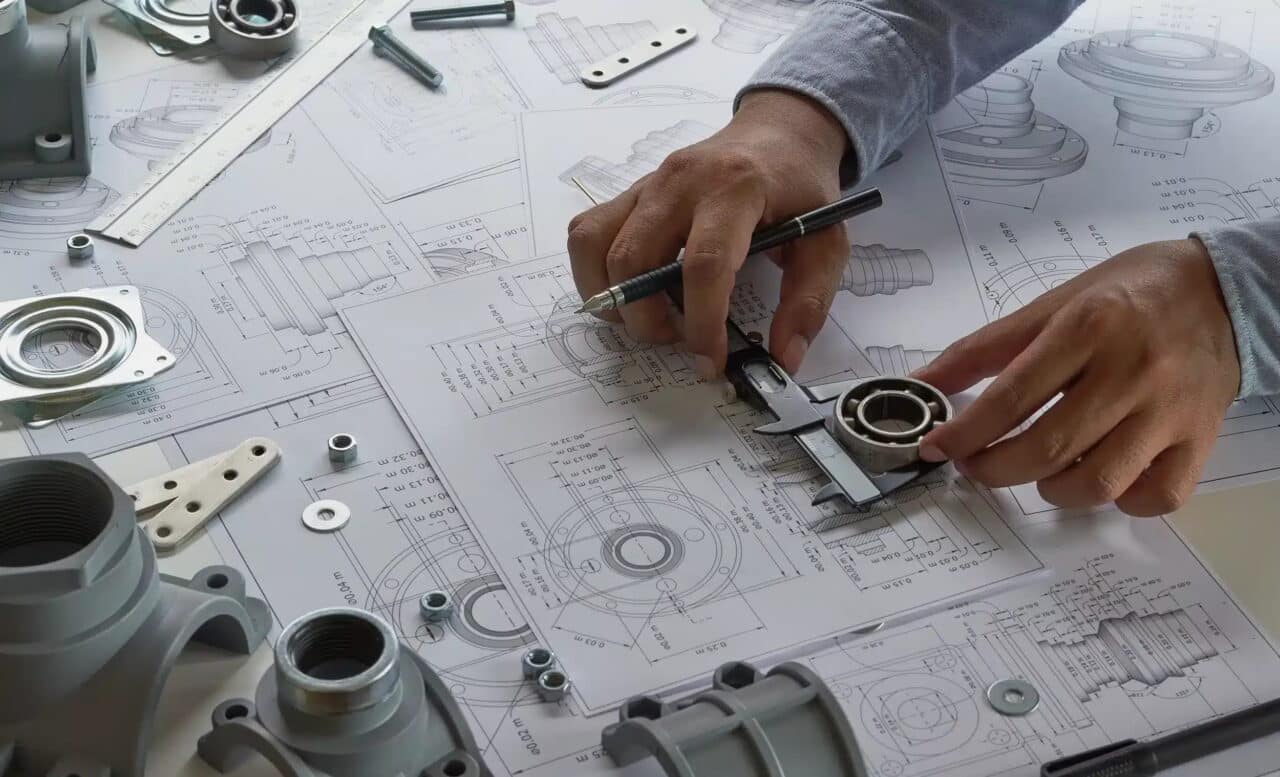
One of the most effective ways to apply DFM principles is to involve a manufacturing specialist early in the design process. An experienced laser cutting company can review drawings before production begins and identify opportunities to simplify the design, improve efficiency, and reduce cost. This is particularly valuable when leveraging advanced capabilities such as bevel laser cutting, where design adjustments can unlock significant savings by removing the need for secondary machining.
Design for manufacturing doesn’t focus on changing the overall purpose of a product, but rather on improving the way it is made. For businesses opting for laser cutting, components should be straightforward to manufacture, resulting in more reliable production.
Implement Design for Manufacturing with The Laser Cutting Co.
At The Laser Cutting Co., we provide laser cutting, waterjet cutting, plasma, bevels, pressing, and more for all project requirements. With our dedicated in-house smart design production team, we can offer streamlined design for manufacturing services based on your initial drawings.
To see how our expert team can support your design and project goals, please get in touch with a member of our team.