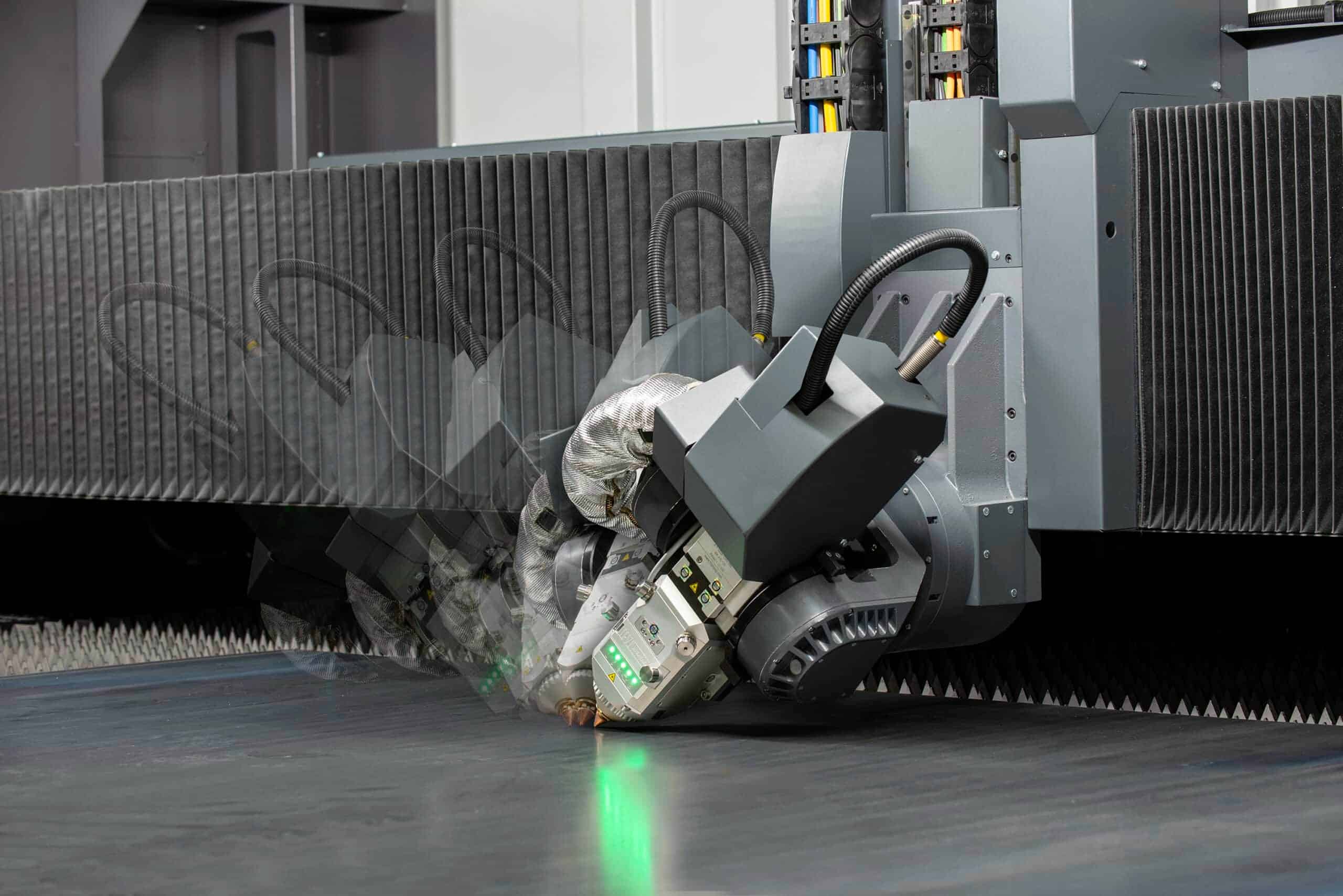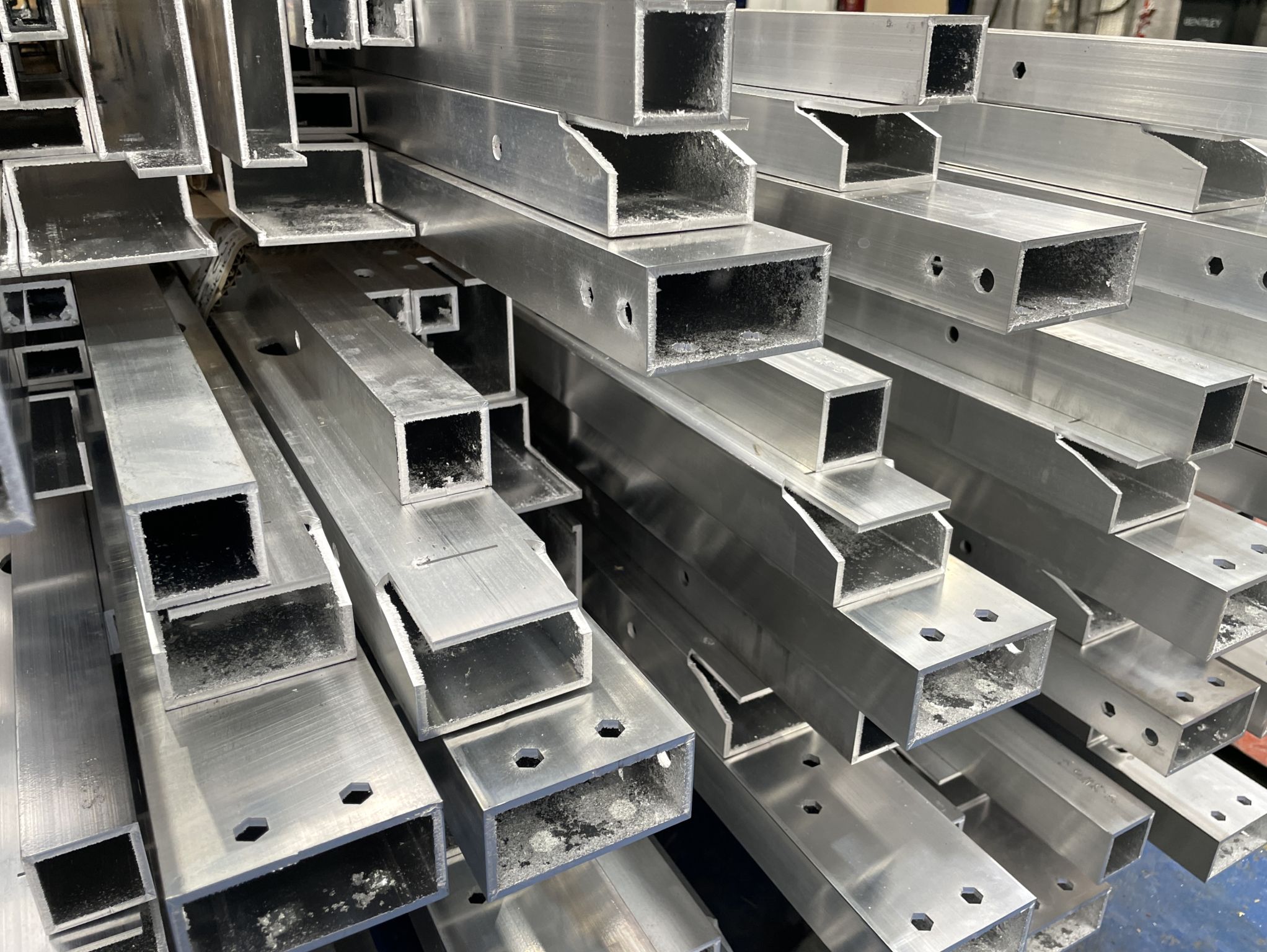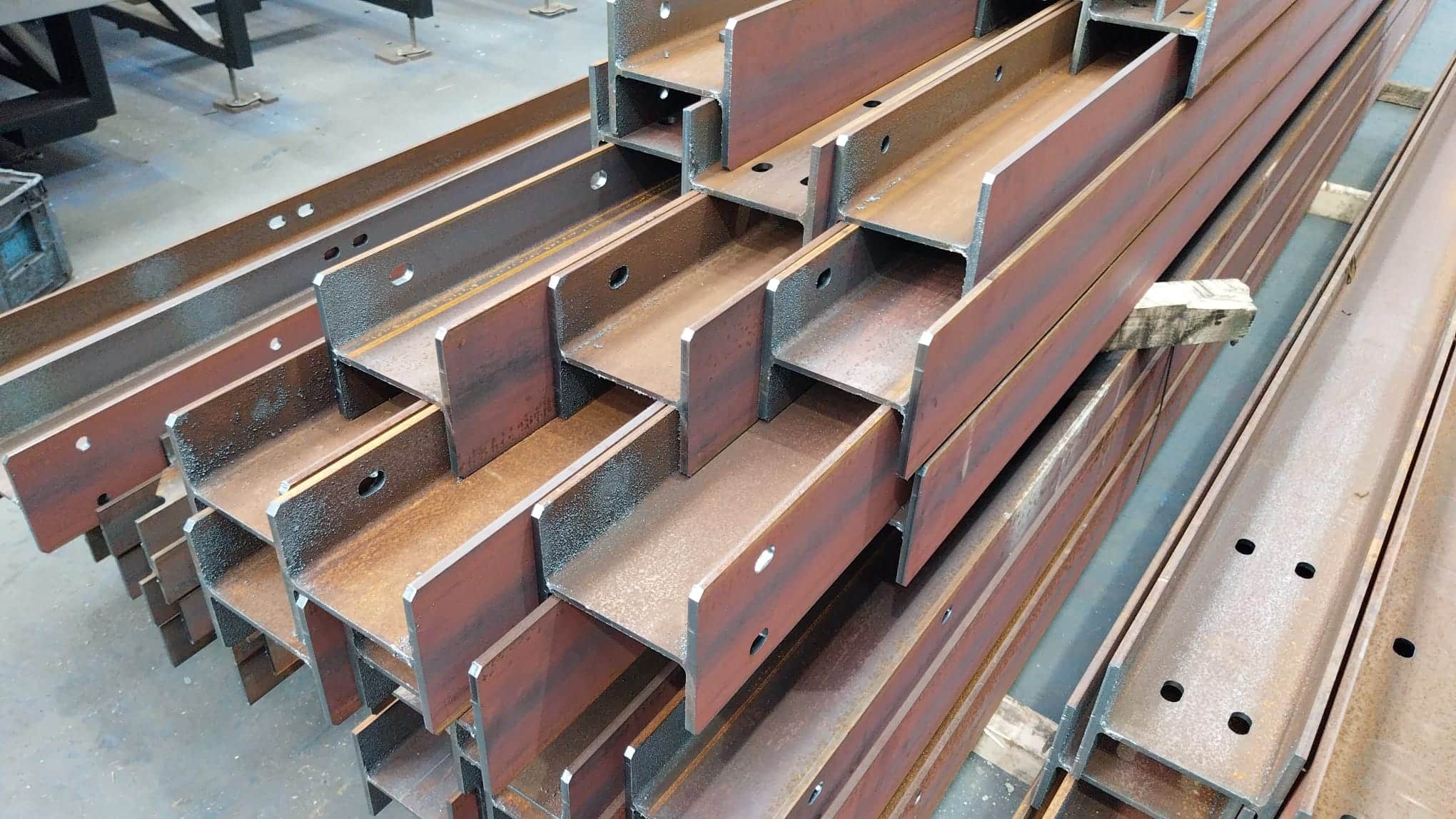
The electric vehicle market is seeing rapid growth on a global scale, particularly as we transition away from reduced fossil fuel reliance. With this comes growing innovation and new technological demands, such as battery systems, electric drivetrains and lightweight structures. For most manufacturers, laser cutting plays a central role in this transition, offering the adaptability needed while still providing accurate results and essential prototyping in EV production.
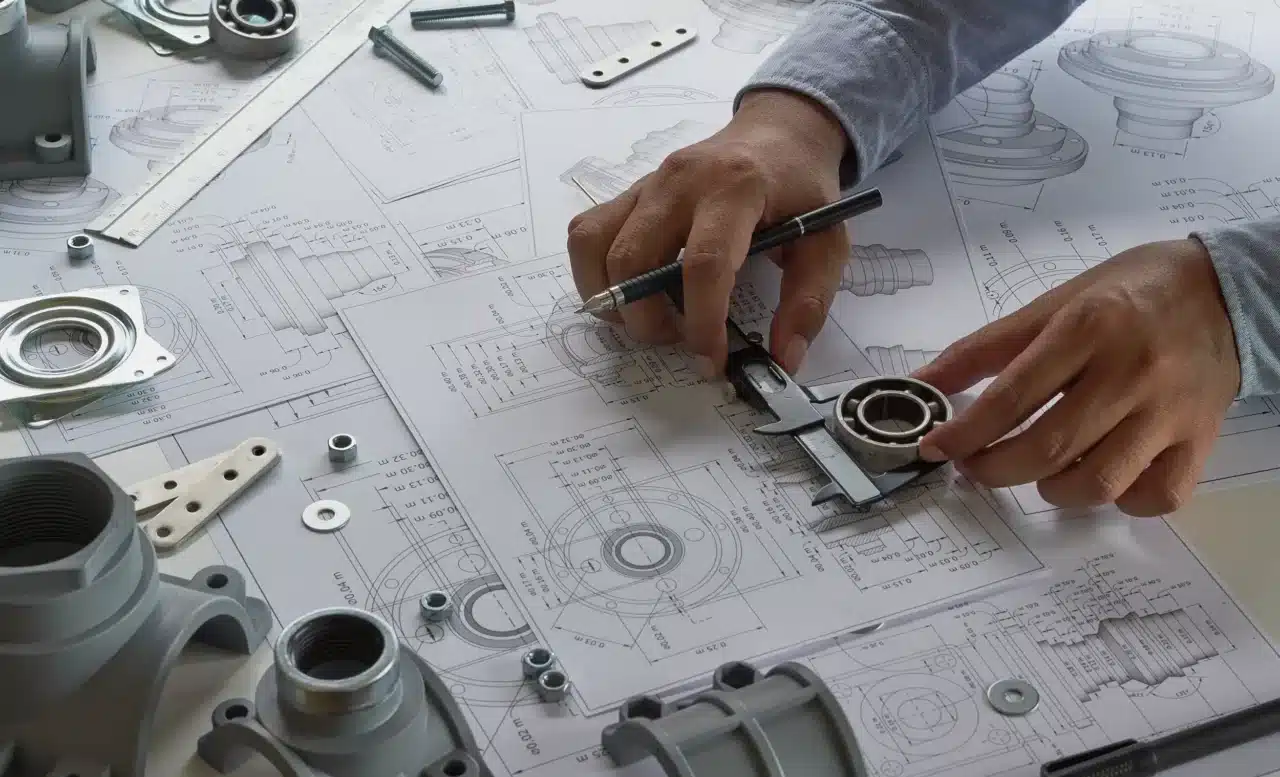
High Precision for Complex EV Designs
Electric vehicle components are often intricate, relying on tight tolerances and multi-axis geometries. For example, battery enclosures can contain numerous apertures and fixings that must be perfectly aligned during assembly, leaving little to no margin of error.
Thankfully, modern fibre laser machines can work in incredibly fine tolerances while producing clean, burr-free edges. This not only reduces the need for secondary processing but also ensures EV components will fit seamlessly and remain structurally safe, achieving consistent repeatability even on large-scale projects.
Supports Lightweight Materials
Reducing weight is an area of focus in many electric vehicle designs, helping to improve range and a vehicle’s overall efficiency. In most cases, aluminium, high-strength steels and specialist alloys are common materials seen in EV production.
Laser cutting is well-suited to these materials, allowing manufacturers to process aluminium sheets for battery housings and cooling plates with ease. High-strength steels, such as those used for the chassis, can be cut without compromising their structural properties. This is due to laser cutting being incredibly adaptable, adjusting for each material’s characteristics to minimise distortion and wasted material.
Battery Pack and Enclosure Production
The battery pack is incredibly important; it’s what brings electric vehicles to life. It also requires robust protection from any impact, moisture, debris, abrasive environments, and thermal regulation.
Large laser beds allow manufacturers to process sheet sizes that are big enough for battery trays and covers. With accurate cuts, sealing surfaces can remain consistent during assembly, which is essential for preventing water ingress. Bevel cuts can be provided for structural weld preparation, reducing additional fabrication required beyond laser cutting services.
Internal components such as conductive connectors can also benefit from laser cutting. They require an intricate and precise finish, ensuring electrical conductivity is maintained and can provide a safe current flow. Failing to provide a clean cut could build the risk of resistance, which is not safe for the long-term use of an electric vehicle.

Copper Busbars and Power Distribution
Copper busbars are important components within electric vehicles, carrying high currents between battery modules, inverters, and motor controllers. Copper has highly conductive and reflective properties, which require a precise cutting process. If not cut correctly, copper could suffer distortion and edge defects from heat input and poor technique, affecting its final performance.
Fibre lasers can accurately cut thin sheets of copper, producing clean edges for slots and connection points. For thicker sheets, waterjet cutting is an excellent alternative that eliminates the risk of heat distortion through a cold cutting process.
Additionally, busbars can be formed through press brake bending to achieve complex shapes needed within compact batteries. By combining these processes, manufacturers can ensure each part has reliable electrical connectivity for long-term performance and power distribution.
Chassis and Structural Components
Electric vehicles are subject to strict safety regulations, and structural integrity is a top priority. Laser cutting supports the production of chassis components, reinforcement brackets, and mounting plates with consistent quality.
Introducing advanced nesting software is helpful in maximising sheets when producing structural parts, reducing unnecessary waste, and controlling costs. For a sector such as EV production, where margins are carefully managed, optimising how a material is used can create a significant positive impact.
Laser cutting is also fundamental in supporting prototyping in the developmental stages. This is an essential process for many manufacturers as designs go through many iterations. Maintaining the ability to go from CAD designs to an accurate representation of a final product can allow for rigorous testing without committing to costly, large-scale production.
Motor and Drivetrain Parts
Electric motors are incredibly intricate and rely on highly precise parts, such as laminations for stators and rotors, mounting plates, and housing components.
Thankfully, laser cutting can handle fine requirements and operate on a non-contact process, so thin electrical steel laminations, which form part of the motor core, can be cut without risk of heat or impact distortion to preserve their magnetic properties.
Motor housings are often fabricated from aluminium or steel, which can be cut effortlessly and with consistency. This ensures that repeatable parts have the correct alignment, providing seamless assembly for a smooth vehicle experience.
Efficiency and Scalability in EV Manufacturing
The electric vehicle sector can quickly generate scaled volumes of production, which relies on a service that can handle adaptability and demand. Laser cutting provides high throughput with short lead times, making it a suitable solution for both one-off specialist parts and large-scale manufacturing. Integrated with smart automated software, many laser cutting machines can operate based on CAD drawings and provide repeatable output.
This level of production is particularly important for the EV sector, where demand is high, and new models are always being manufactured for the market.

How Laser Cutting Meets Sustainability Goals
Sustainability is a core concept behind the movement of electric vehicles, and it’s integral that manufacturing processes support this. Laser cutting is often praised for techniques such as advanced nesting, which aligns designs to reduce offcuts and wastage across materials. The ability to produce precise cuts is also beneficial as it minimises the need for rework, which lowers energy and material consumption overall.
With helpful guidance on materials, cutting techniques and responsible supply chain management, laser cutting can contribute significantly to sustainable practices in the EV sector.
The Future of Electric Vehicle Manufacturing
The electric vehicle market will continue to evolve, maintaining complexity and high standards in performance.
Laser cutting technology is a popular choice in modern vehicles, facilitating critical components and achieving exceptional outcomes, even as parts become more intricate. The introduction of other specialised techniques, such as bevels and chamfers, allows for weld-prep parts and laser welding, which establish robust and seamless assemblies, even on lightweight materials.
Additionally, as there’s a greater demand for safer and improved batteries, lasers can produce the delicate and important parts required, with laser etching providing full traceability and DataMatrix codes. They also support the responsible disposal of batteries as old models are phased out, once again supporting sustainable goals and the future of electric vehicles.
Discover Automotive Laser Cutting with The Laser Cutting Co.
At The Laser Cutting Co., we facilitate all aspects of the automotive sector, including electric vehicles. Our services range from state-of-the-art laser cutting, waterjet cutting, smart design production, bevels, pressing, and more. We strive to support sustainability goals, reflected in our investment in solar panels and fleet of electric forklifts.
To learn how our expert team can support the growing future of electric vehicles, please get in touch with a member of our team.