Modern fabrication now offers a range of options on the market, and selecting the right one for your project has a direct impact on your final budget, lead time and quality of finish. For many customers, knowing the difference between laser cutting processes can sometimes be difficult.
As a leading laser cutting supplier across a range of industries, we aim to break down the difference between two key processes, tube and flatbed cutting. The Laser Cutting Co. are here to help you find the right process, avoiding unnecessary redesigns and production delays.

What is Flat Laser Cutting?
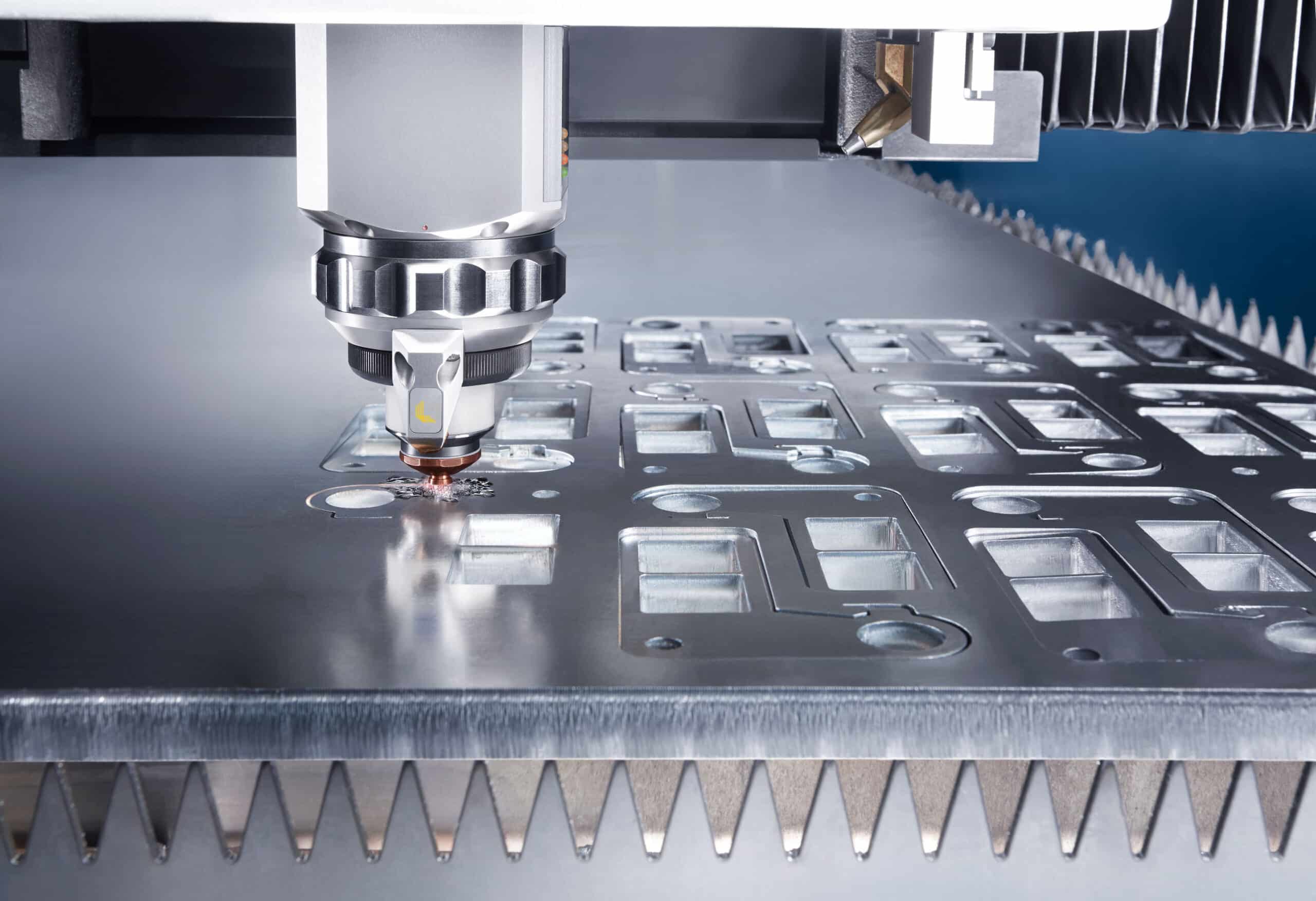
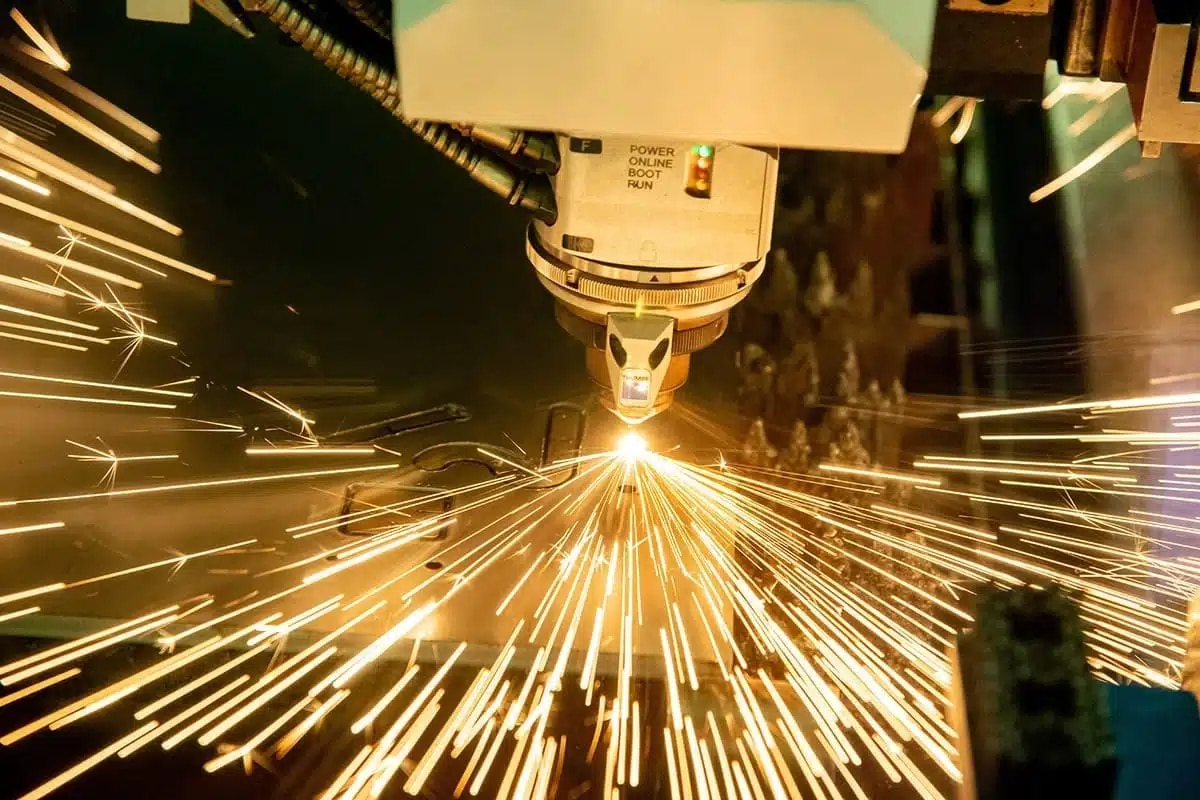
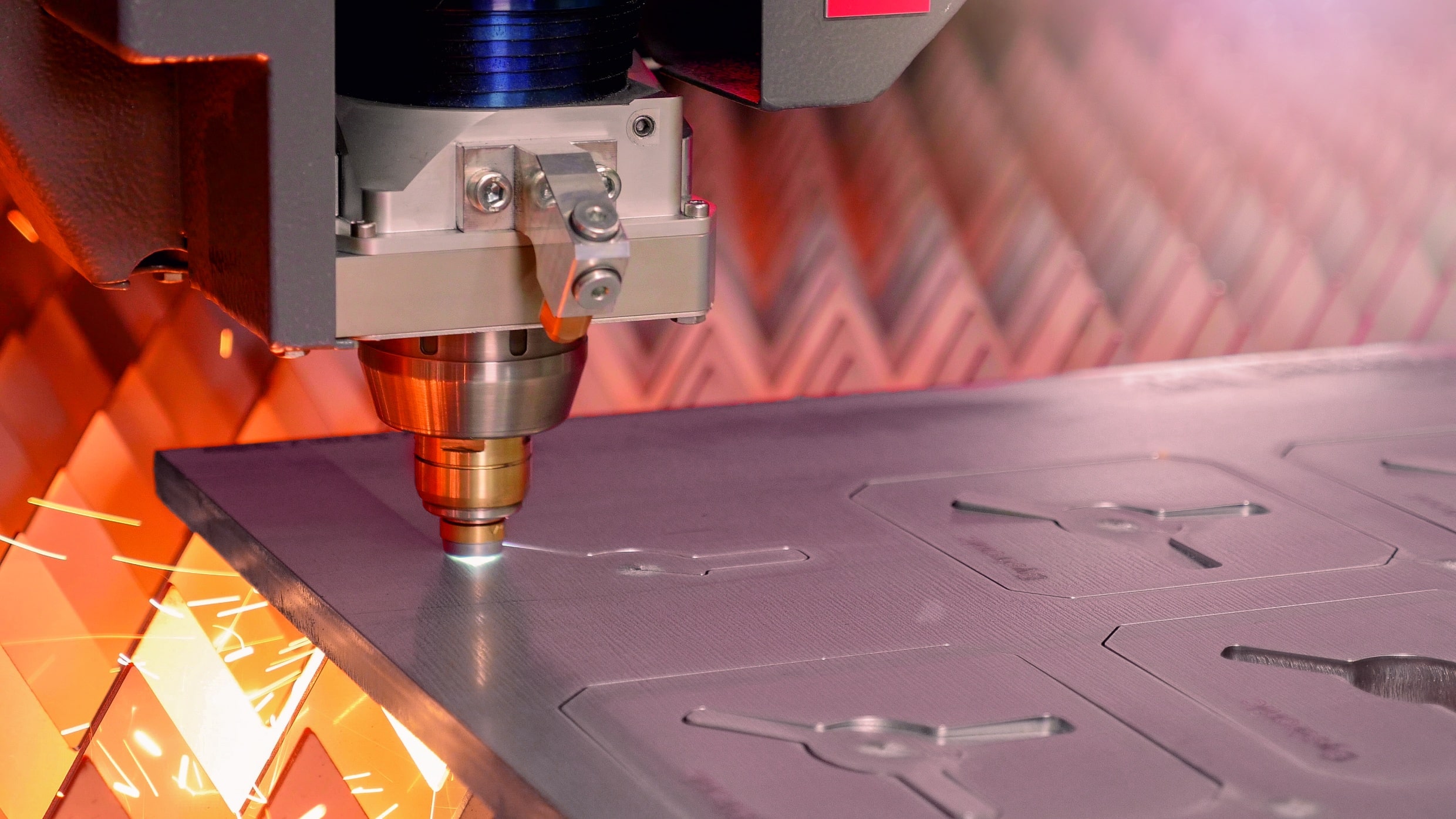
Flatbed laser cutting, or sheet laser cutting, is one of the most widely used fabrication methods, known for its speed, accuracy and versatility for cutting 2D shapes from sheet materials. The material is laid flat on a cutting bed, and a high-powered laser follows a pre-programmed path to produce incredibly precise components.
Flat laser cutting is highly efficient for nesting multiple parts across sheets, with the ability to form and assembly prep parts as a secondary process. This all works together to reduce material wastage and effectively control costs on large-scale projects.
Applications of flat laser cutting include:
- Brackets and mounting plates
- Panels and enclosures
- Machine guards
- Signage and architectural features
- General industrial components
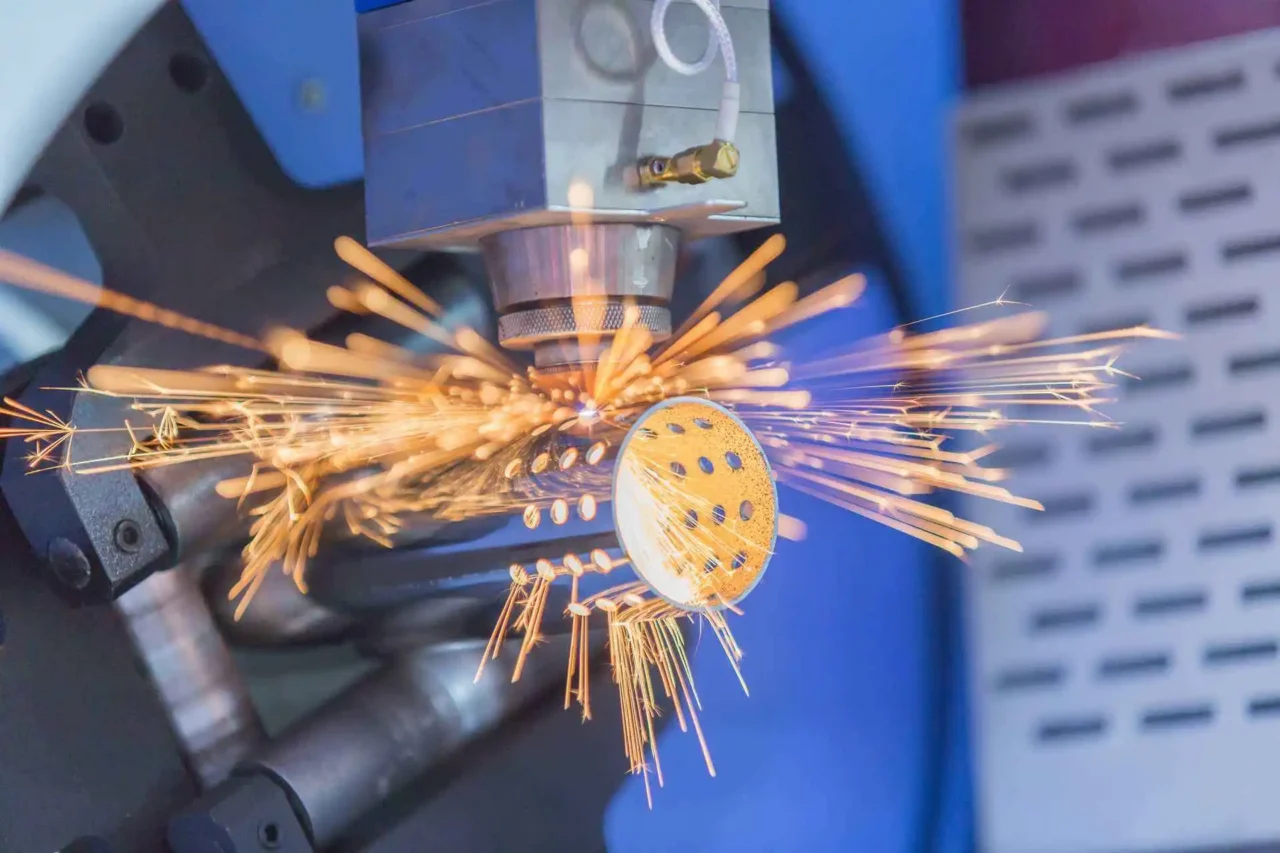
What is Tube Laser Cutting?
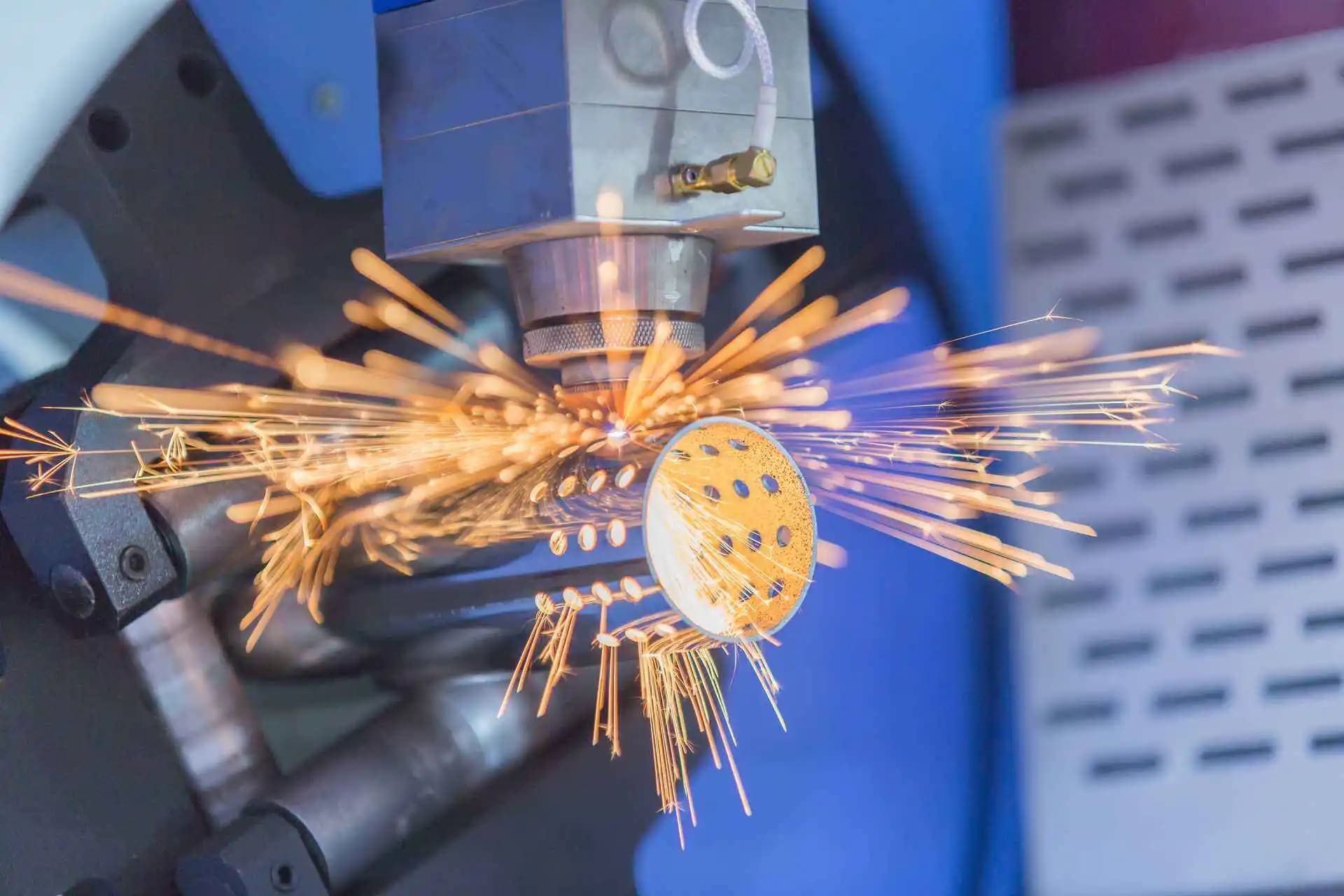
Tube laser cutting is designed specifically for cutting structural profiles, such as round, square and rectangular tubes. Rather than laying the material flat, the tube is clamped and rotated while a laser head cuts into it using a multi-axis approach. This allows for more complex geometries than standard 2D methods.
The main advantage of tube laser cutting is its ability to combine multiple fabrication steps into a singular process. This includes holes, mitres, slots and tabs, and weld-prep parts directly into the tube, reducing the need for downstream welding and machining.
Applications of tube laser cutting include:
- Structural frames and supports
- Handrails and balustrades
- Automotive and machinery components
- Modular construction systems
- Furniture and architectural metalwork
Cost Considerations and Project Planning
Cost is often influenced more by making a design efficient rather than the cutting method itself. Flat lasers tend to be more cost-effective when working with large volumes, particularly when parts can be nested efficiently. Tube laser cutting can reduce project cost in structural applications by eliminating additional fabrication steps. While certain cutting processes may be more specialised for a project, the savings are often realised when recognising the full scope of profiling services required.
For both methods, early design optimisation is key. Small adjustments to geometry, material choice or design can have a significant impact on the total project outcome.
Which Laser Cutting Process is Right for Your Project?
If unsure of which method applies, your final part design is usually the first indicator. Sheet designs almost always rely on flat laser cutting, while structures and frames often require tube laser cutting.
However, the most efficient projects often combine both processes. For example, a frame may use tube laser cutting for the structure and flat laser cutting for brackets, mounts or covers.
Flat laser cutting is best for:
- When your design is based on sheet metal
- Parts require folding or secondary forming
- When producing brackets, plates or enclosures
- You need high-volume repeat production
Tube laser cutting is best for:
- When your design uses structural tube or profile sections
- You need complex joints or angled cuts
- You want to reduce welding and manual assembly
- You are building frames or load-bearing structures


Discover Exceptional Fabrication with The Laser Cutting Co.
At The Laser Cutting Co., we work closely with our customers to provide guidance and support on the best cutting method for your project. We can review drawings, provide prototyping services, and offer a variety of cutting processes from highly accurate laser profiling to waterjet cutting and bevels. Whether you’re developing a one-off prototype or planning a full production run, getting it right from the start is what leads to a successful project.
For further guidance on our services, get in touch with a member of our team today!