Quick Links
It’s no secret that laser cutting has had a transformative impact on modern manufacturing, with precision, speed and high repeatability offering greater profiling than ever before.
While many metals are straightforward to cut, reflective metals such as aluminium, brass and copper have historically proven to have more unique challenges. Advancements in fibre laser technology have made it easier to process such metals, without compromising on quality or efficiency. This guide explores the different types of reflective metals and how laser cutting has approached and embraced these challenges.
Why Are Reflective Metals Difficult to Cut?
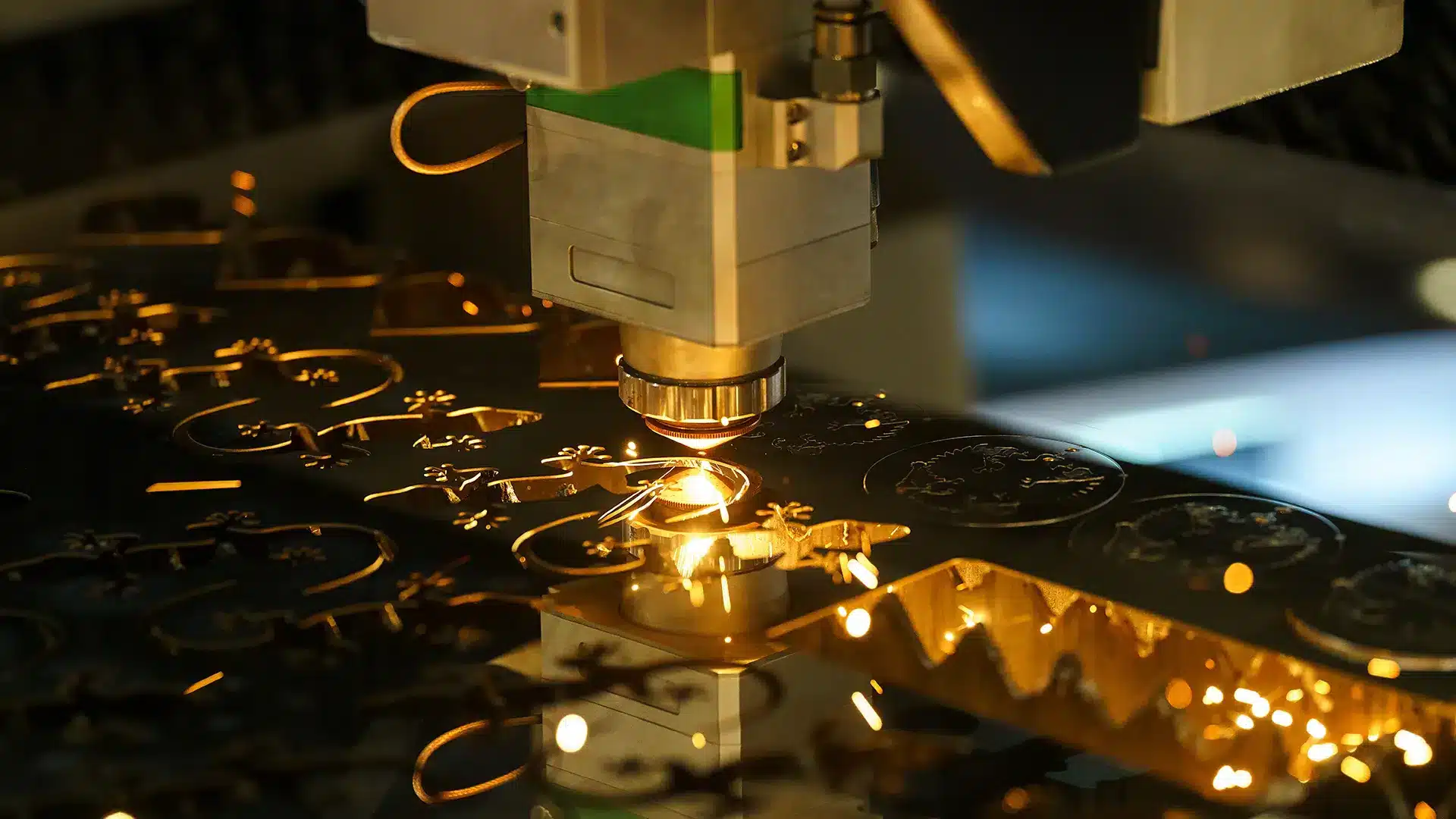
Reflective materials naturally bounce light, which makes laser cutting challenging due to a proportion of laser energy becoming wasted. Older CO₂ lasers often had this issue and more, since the reflected laser beam not only affected the material but could damage the equipment too. That being said, modern technology now has failsafe features that will shut down a laser if there is risk of equipment becoming damaged.
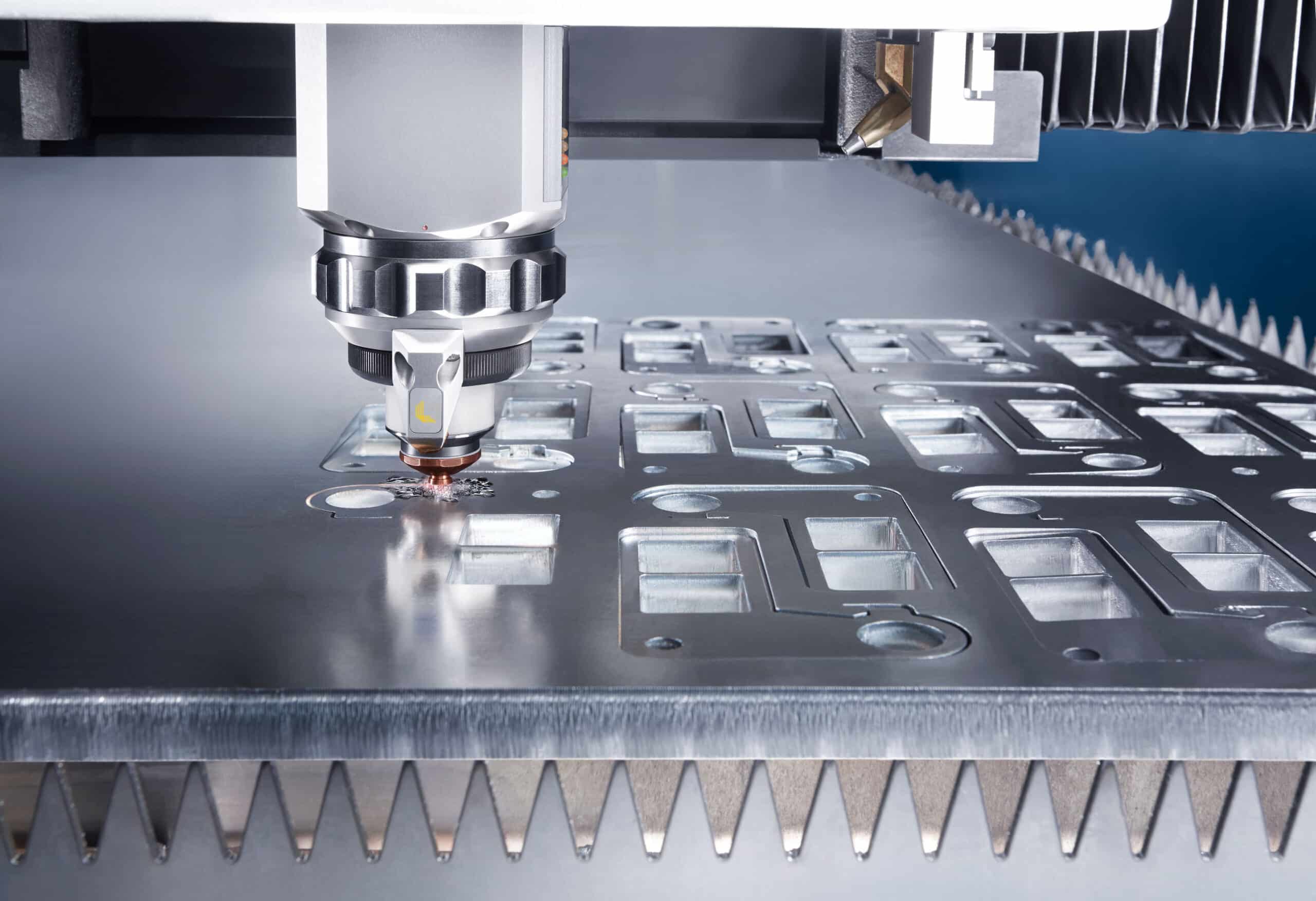
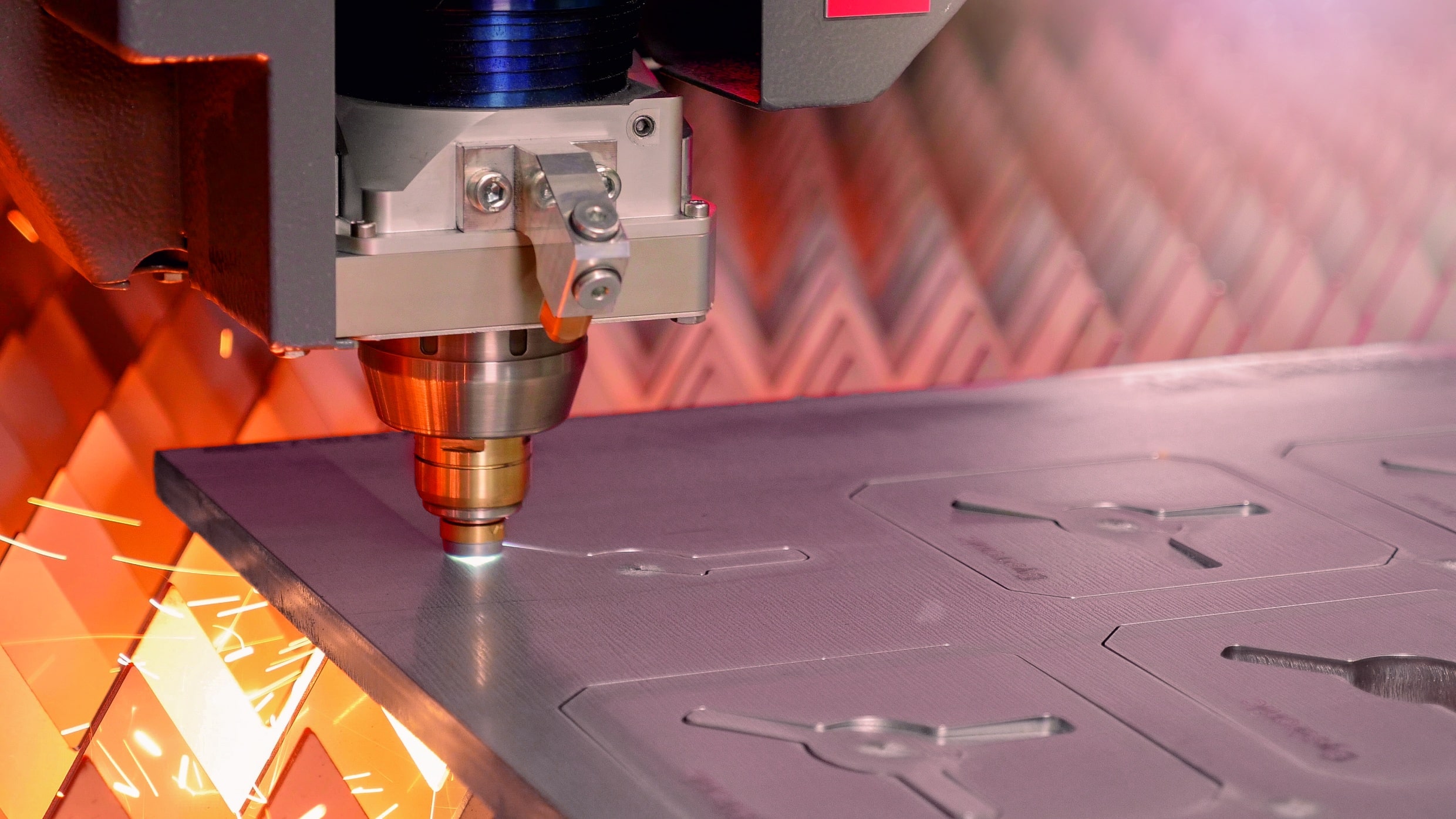
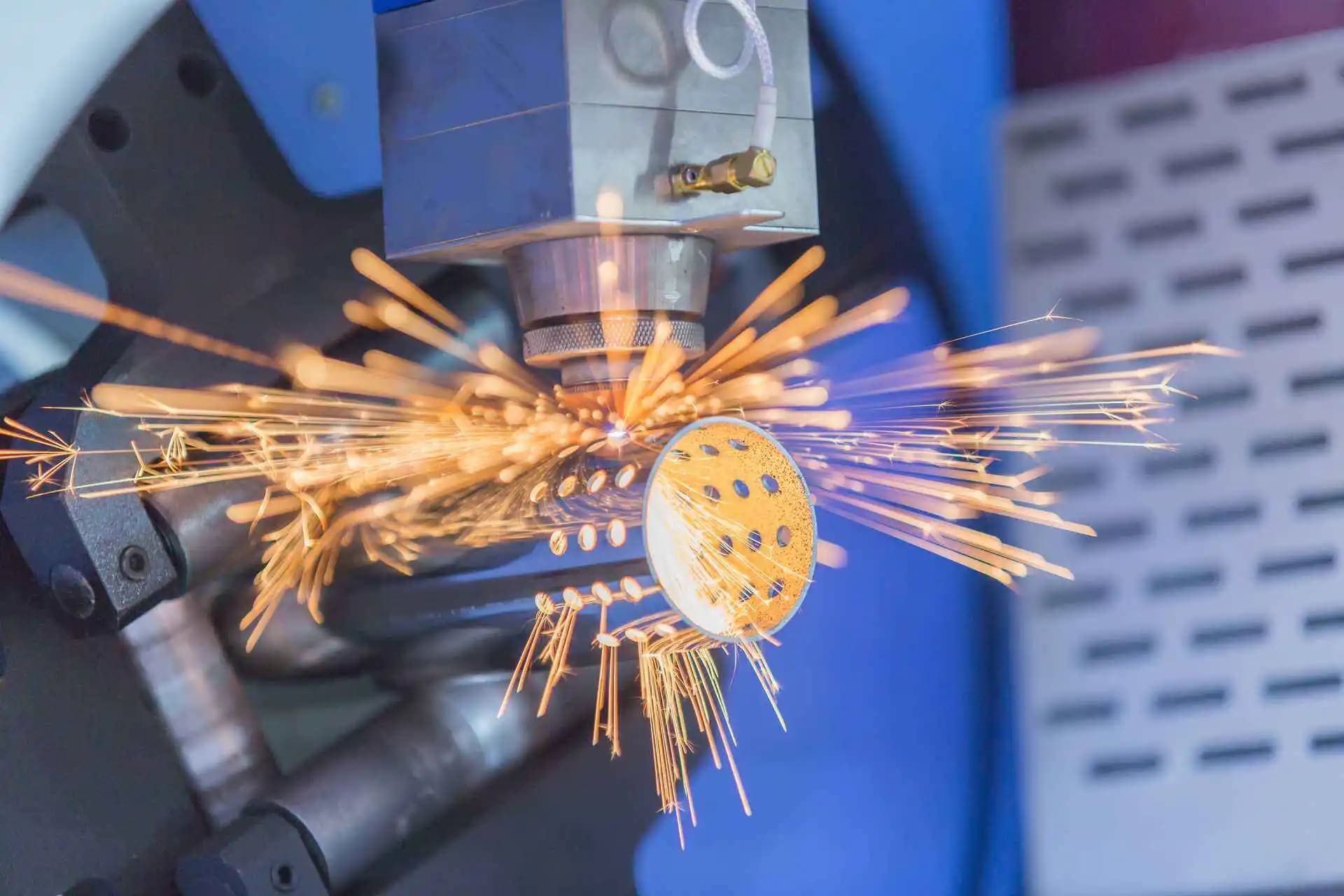
Fibre technology today is specifically designed to process highly reflective materials more efficiently by using optic cables, rather than mirrors and assist gases. They utilise a more refined beam, advanced control systems and greater energy output to produce cleaner cuts, while still maintaining precision and fine tolerances. Although care is still taken when handling reflective materials, they can now be readily cut for a wide range of industrial applications.
Common Reflective Metals Used in Fabrication
There are many different reflective materials used in engineering, construction, manufacturing projects and beyond. The most common metals include:
Aluminium
Aluminium is one of the most widely used metals and is known for its shiny, reflective properties. It’s incredibly lightweight, offers excellent corrosion resistance and a high strength-to-weight ratio. This makes it ideal for industries such as automotive, aerospace, electronics and architectural fabrication.
Laser cutting produces clean, accurate profiles with minimal heat-affected zones (HAZ), which makes aluminium perfect for prototype development and high-volume projects.
Brass
Brass offers an attractive appearance alongside its excellent machinability and corrosion resistance. It is notably used for decorative features, electrical parts, architectural features and precise engineering components.
Modern fibre lasers produce burr-free, smooth edges and intricate details, allowing complex brass components to be manufactured to a consistent high-quality.
Copper
Copper is valued for its exceptional electrical and thermal conductivity, making it essential in electrical, energy, and industrial applications. Although copper is highly reflective, modern laser cutting systems can produce quality results while maintaining tight tolerances and mitigating the need for secondary processes.

What Influences Cutting Performance?
There are several variables to contend with when it comes to achieving the best results from laser cutting.
The material thickness is a major factor, with denser sections relying on different cutting parameters than thinner sheets. This may involve adjustments to the laser itself, cutting speed, assist gas selection, or opting for a cold cutting process like waterjet.
The quality of the metal itself can also influence the final result. A clean, flat surface condition will always produce more accurate cuts and higher edge quality. However, working alongside a professional laser cutting specialist can help ensure materials are optimised for each project, with assistance sourcing high-quality sheet metals where required.
Typical Applications
Laser cutting and waterjet have allowed for greater versatility in sectors, such as:
- Electrical enclosures and busbars
- Architectural panels and decorative features
- Automotive components
- Heat exchangers and cooling systems
- Control panels and switchgear
- Precision engineering parts
- Renewable energy equipment
- Consumer products and bespoke metalwork
Waterjet Cutting for Reflective Metals
Despite fibre lasers demonstrating highly effective cutting, it is most suitable on metals up to 5mm thick. Beyond this, waterjet cutting offers an excellent alternative by processing thicknesses up to 230mm.
This cold cutting process utilises high water pressure with a pre-defined aggregate to produce clean cuts and finishes without causing heat-affected zones. This is commonly used for specialised industries, such as aerospace, marine and nuclear, where material distortion and quality cannot be compromised.
Achieve Quality Cut Reflective Metals with The Laser Cutting Co.
At The Laser Cutting Co., we have extensive experience cutting projects that involve aluminium, brass, copper, bronze, and a variety of reflective metals. Our expertise has positioned us as a market leader in specialised cutting services, offering professional laser cutting, waterjet cutting, smart design production, weld prep parts, and more.
To discuss your project requirements and how we can support your project or source sheet metals, get in touch with a member of our friendly team.