Selecting the correct metal fabrication process can greatly affect cost, quality, and lead times on a project. Two popular profiling services include laser cutting and CNC punching, each with the ability to produce sheet metal components with their own distinctive characteristics.
This guide explores the differences between both methods, analyses their performance, and helps you make an informed decision on which process is best for you.
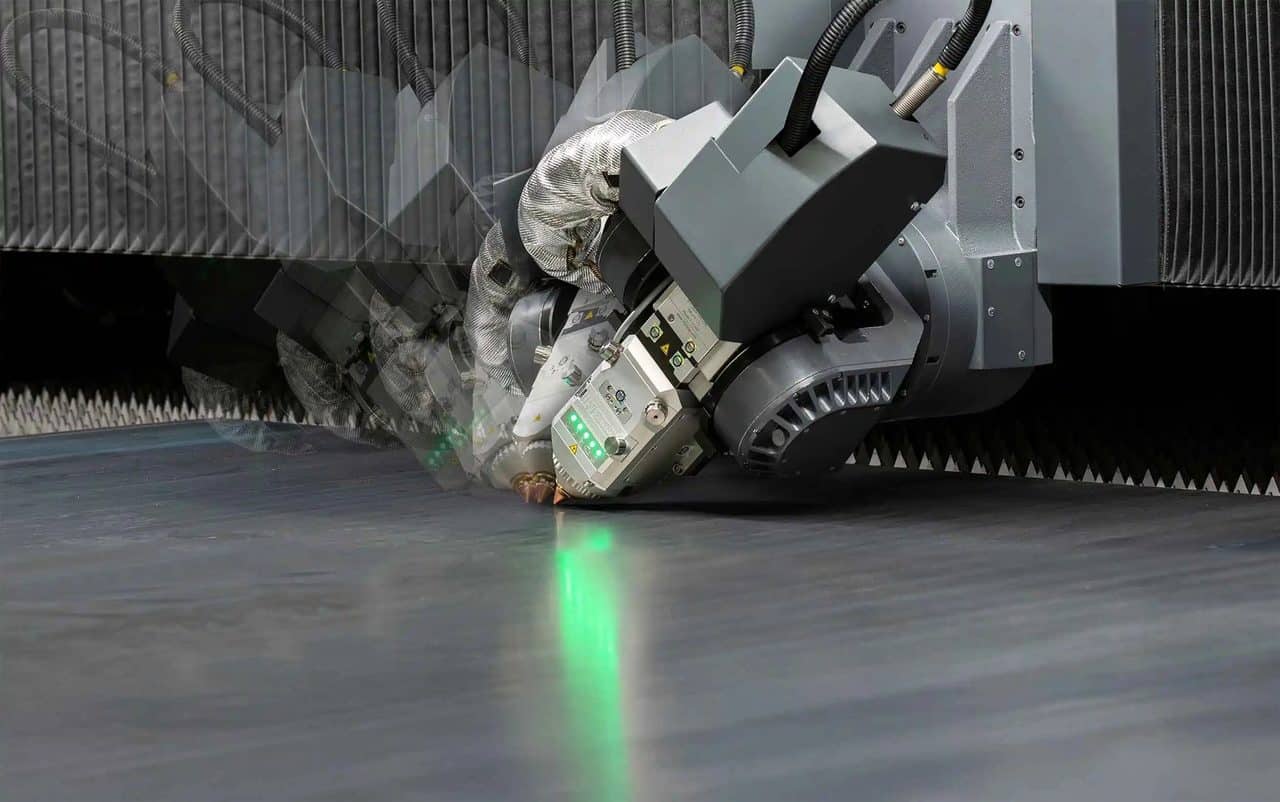
Understanding Laser Cutting
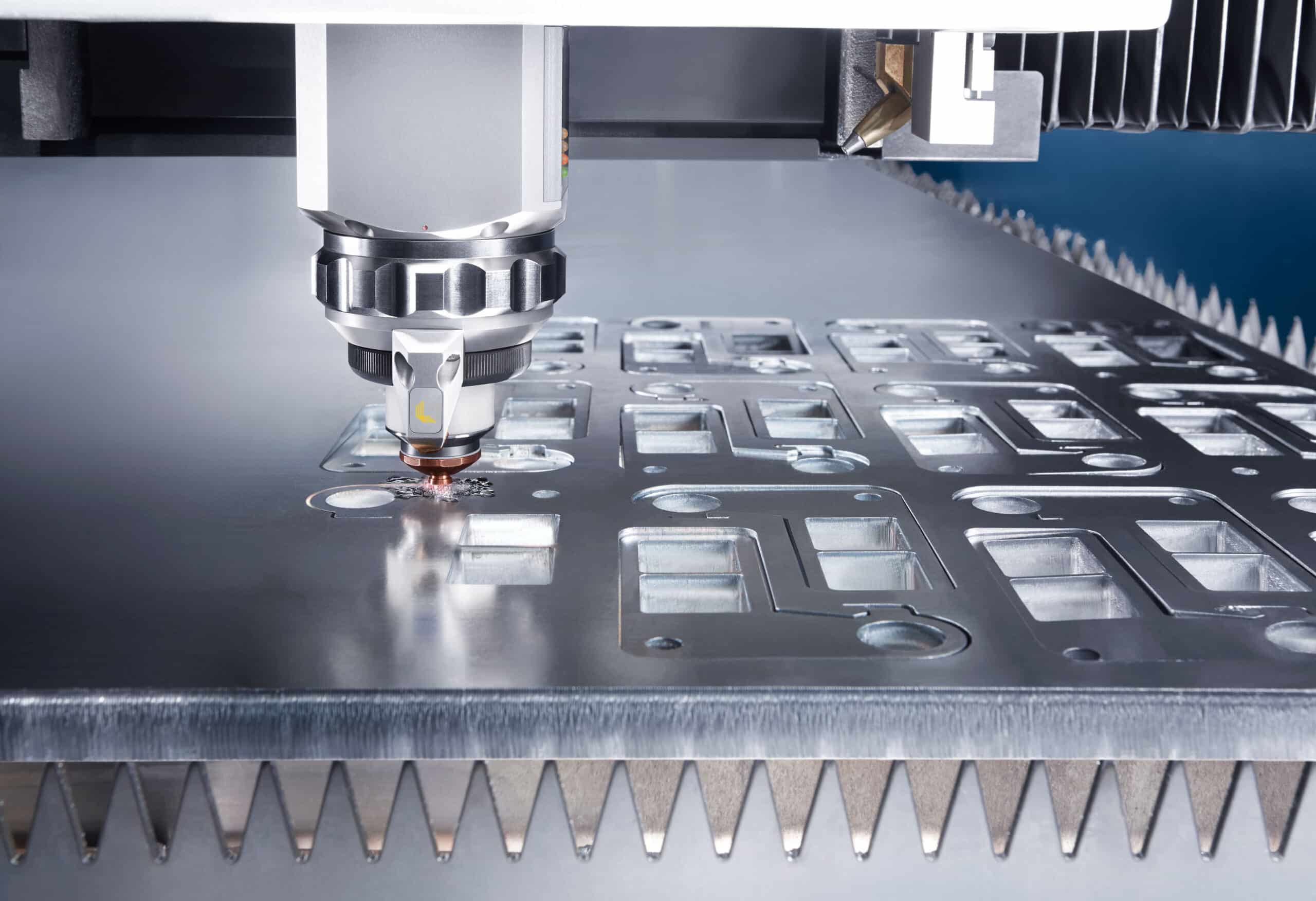
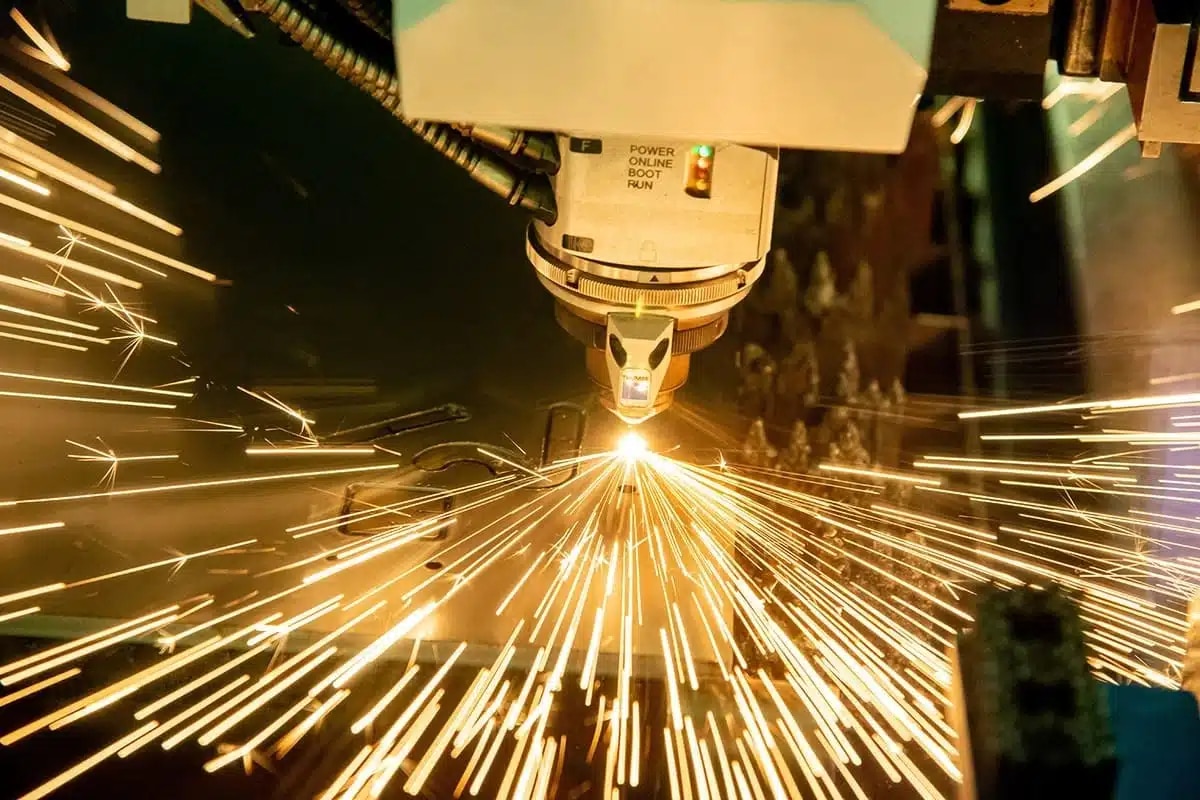
Laser cutting is an incredibly popular and precise method, utilising a focused, high-powered laser beam to produce clean cuts along a pre-programmed path. This process follows CAD designs, which allow for complex shapes, detailed features and precise dimensions to be produced without the need for additional tools.
Laser cutting can be used on a large variety of metals and other materials, adjusting power output, assist gases, and speed to accommodate material properties and thicknesses up to 50mm. This makes laser cutting particularly ideal for bespoke projects, complex geometries, and required design changes.
- Design Flexibility: Create intricate profiles, curves, slots and detailed cut-outs
- Precision: Produces consistent, burr-free components to exact dimensional accuracy
- Non-Contact Process: Change designs and cut profiles without making contact, eliminating contamination and tool wear
- Efficient Prototyping: Make one-off parts and small batches, ensuring parts are correct before full production
- Material Efficiency: Advanced nesting can arrange parts to help reduce sheet material waste
What is CNC Punching?
CNC punching uses a computer-guided process to create a punch, shape or cut through sheet metal and into a matching die. The process involves removing material to create holes, slots and other features required within a component, particularly on thinner metals.
CNC punching is well-suited for repetitive designs, particularly when components require numerous standard holes or shapes that can be produced quickly. However, punching does rely on physical tools, which can introduce additional setup processes and wear over time. For more complex outlines and specialised shapes, multiple processes or dedicated dies may be required.
- High Production Rates: Repeated punching processes can be very efficient for consistent designs
- Cost-Effective Volume Production: Higher quantities of consistent components can benefit from quick cycle times and cost-effective parts
- Forming Capabilities: Suitable punching machines can create features such as louvres, dimples and embossments
- Heat-Free: By not introducing a heat source, punching protects materials from potential distortion
Edge Quality and Precision
Edge quality is an important consideration, especially when components require highly accurate tolerances to achieve a clean finish.
Laser cutting can achieve a cutting tolerance of +-0.25mm, creating accurate and smooth burr-free edges. Since laser cutting is an automated process that consistently monitors dimensions, machines have the ability to profile complex and intricate parts, even on large production runs, without the need for human interference.
On the other hand, punching produces edges through mechanical shearing, which can leave behind small burrs or other marks around cut features. This often results in the need for additional deburring processes to achieve the final desired cut.

Material Versatility
The final output is also heavily influenced by the material selected and the way it works alongside the chosen method.
Laser cutting has great flexibility, processing a range of metals, including mild steel, stainless steel, specialist alloys, aluminium, and more. This makes laser cutting suitable for a large range of applications, ranging from structural brackets and industrial enclosures to architectural panels and delicate wiring components. With the appropriate setup, laser cutting can also cut and accommodate tricky reflective metals such as copper and brass.
CNC punching can process many of the same sheet metals, but suitability also depends on the thickness, hardness, ductility and complexity, which makes it ideal for thinner materials. Punch and die selection is also important for achieving consistent results and avoiding excessive tool wear.
Production Efficiency
Production speed is dependent on the design, thickness, quantity and machine capabilities. Punching can be especially efficient when producing large volumes of identical components with repeatable holes and standard features, which can offer a lower cost-per-part on larger productions. However, factoring in the expense for additional processing and worn parts can affect the final cost.
Laser cutting costs can be slightly higher, depending on the project and material, but produces more efficient, accurate and complex outlines. The process of laser cutting allows for prototyping and design amendments with relative ease, with nesting techniques to help reduce material waste and expenses.

Professional Laser Profiling by The Laser Cutting Co.
The Laser Cutting Co. offers advanced laser cutting technology with in-house smart design production and precision services to deliver high-quality components. Our team has over 45 years of experience, providing reliable laser cutting solutions for a wide range of materials, applications and industries.
If you have a laser cutting requirement, our friendly team can review your drawings and specifications to determine the most suitable approach for your project, helping you achieve accurate results and streamlined production.